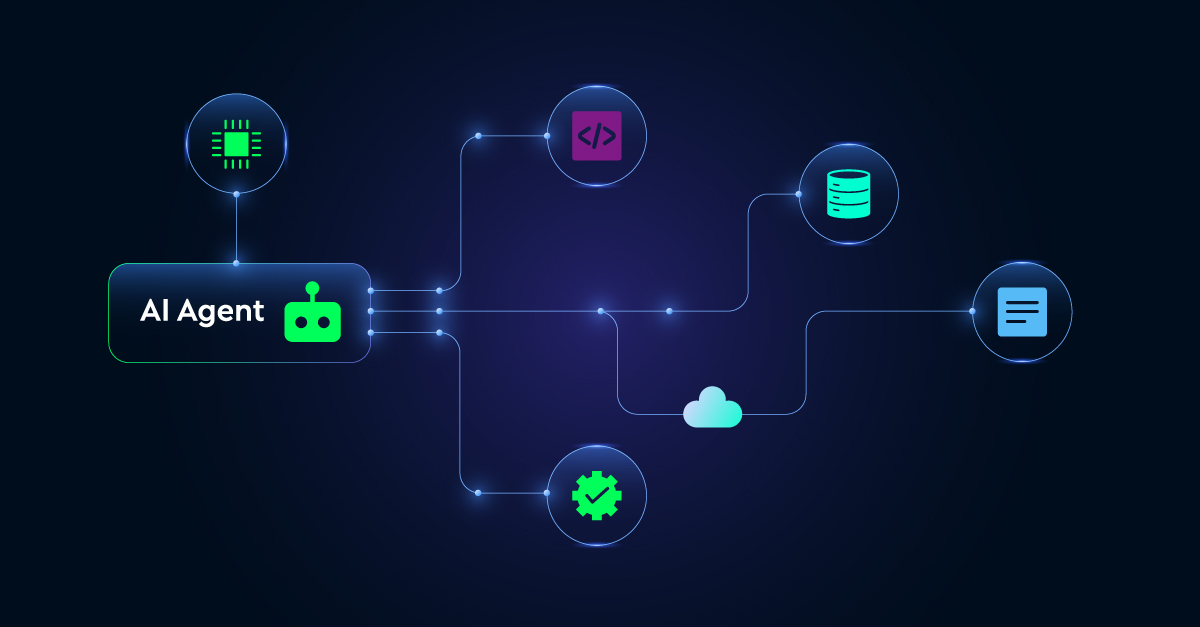
What frontier AI means for your attack surfaceFrontier AI models, such as Anthropic's Claude Mythos, are the most capable AI systems available.
-
 Autonomy is the security event.
Frontier models find vulnerabilities that survived decades of human review and turn a finding into a working exploit, with no human team behind it.
-
 The exploit window collapsed.
The time from disclosure to working exploit has dropped from years to hours.
-
 The risk runs in both directions.
An attacker's AI still needs a credential or standing access to reach your assets. Your own AI agents introduce a new problem: authorized access doing unauthorized things.
-
Collective cyber defense starts with identity
AI-powered cyberattacks are accelerating. Discover why zero standing privilege and runtime authorization stop attackers faster than patching vulnerabilities.
Read the blog post
-
Preparing for Mythos’ Impact
The CISO playbook for frontier AI risk: five identity security controls and a four-phase roadmap
Get the whitepaper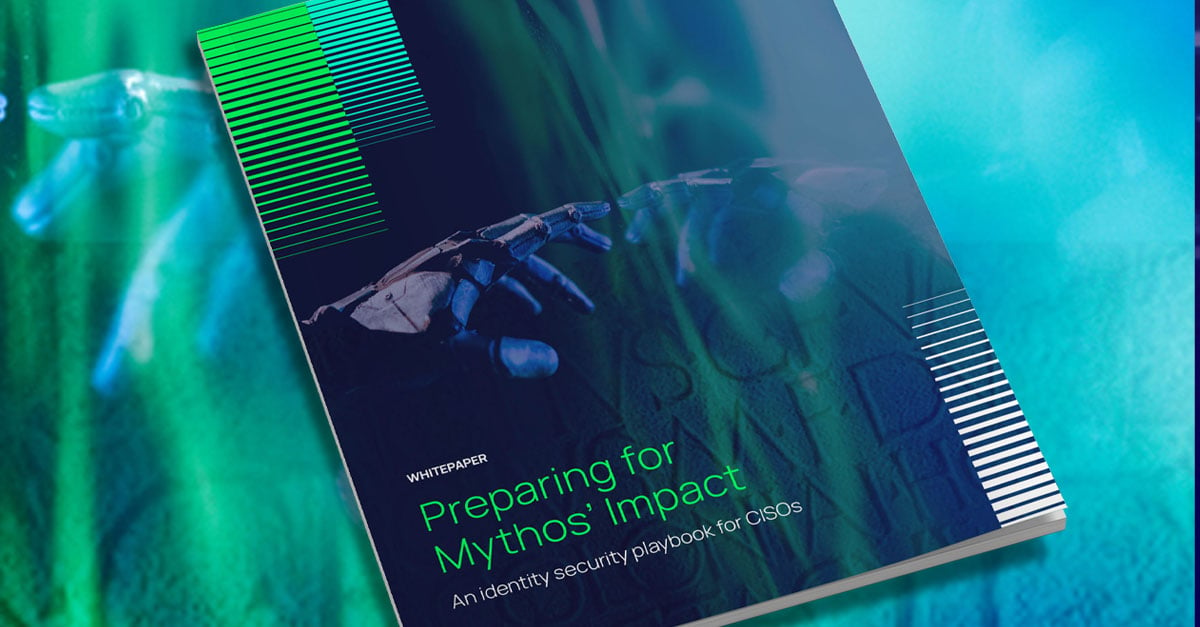
-
Delinea Joins Anthropic's Project Glasswing
Delinea joins Anthropic's Project Glasswing, using Claude Mythos AI to find vulnerabilities in the code that vaults, brokers, and rotates privileged credentials.
Read the blog post
-
Every credential was a read: Dissecting the Hugging Face agent intrusion
Hugging Face published the actual commands from a 4.5-day autonomous agent intrusion.
Read the blog post
-
AI agent authorization: Why access at the door is not enough
Authentication vs authorization: how to govern what an AI agent does after it connects
Read the blog post
-
Mythos: Five Best Practices for Identity Security Leaders
How fast can AI find vulnerabilities in your systems? The on-demand session on staying ahead of autonomous attacks.
Watch the webinar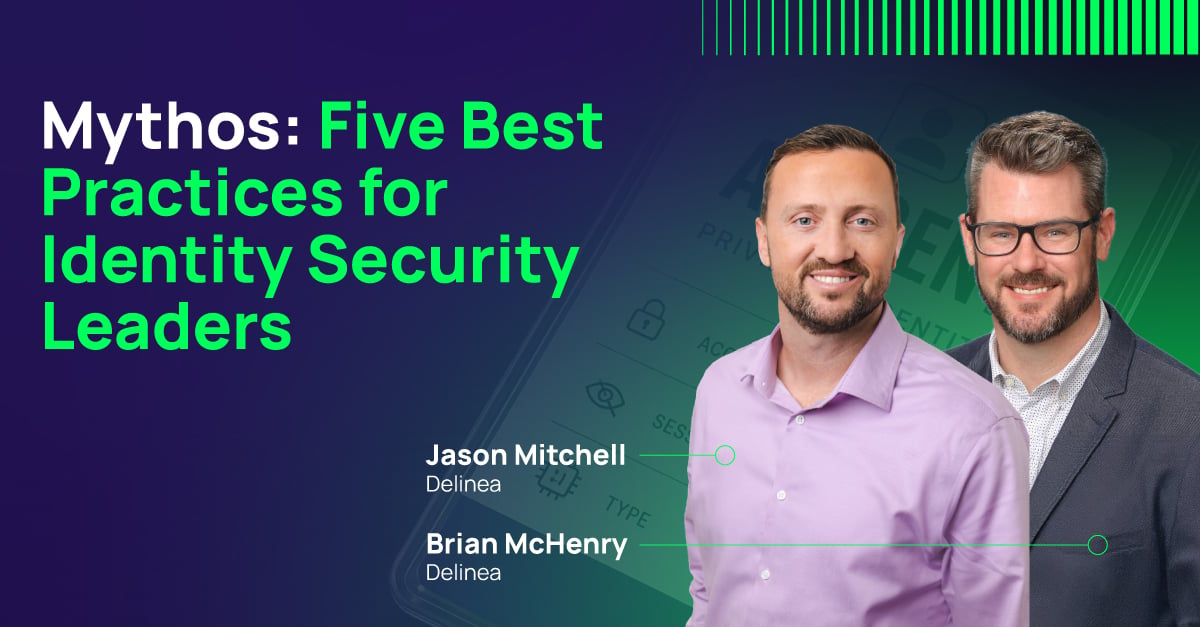
-
In the Mythos era, identity is the last line of defense
What attackers do after AI finds the vulnerability, and why credentials are still the prize.
Read the blog post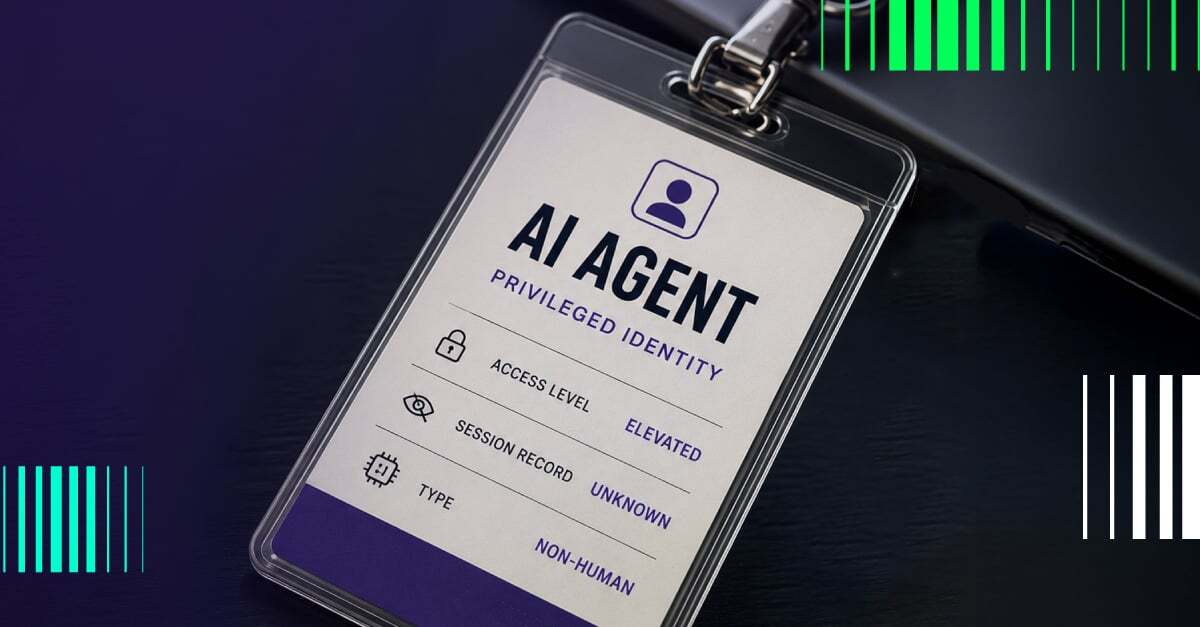
-
Mythos: Five Identity Security Best Practices
The five best practices for securing AI agents in enterprise environments, on one page your team can act on.
Download the brief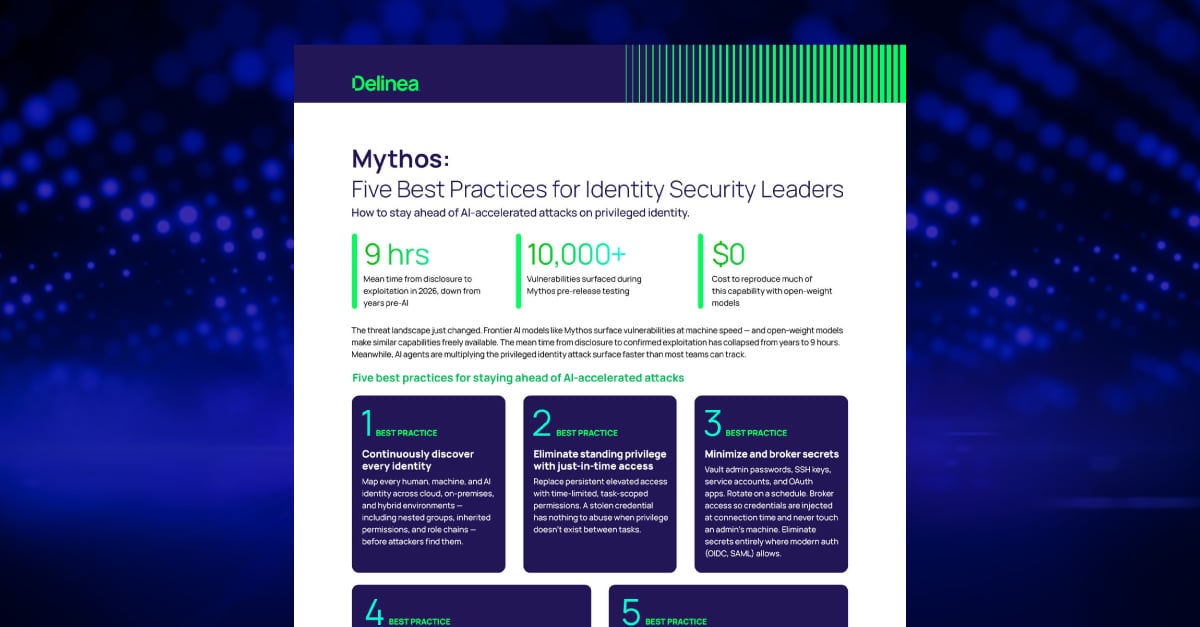
-
Runtime Authorization for AI Agents
How runtime authorization checks every AI agent action before it runs and records each one under a named identity.
Get the whitepaper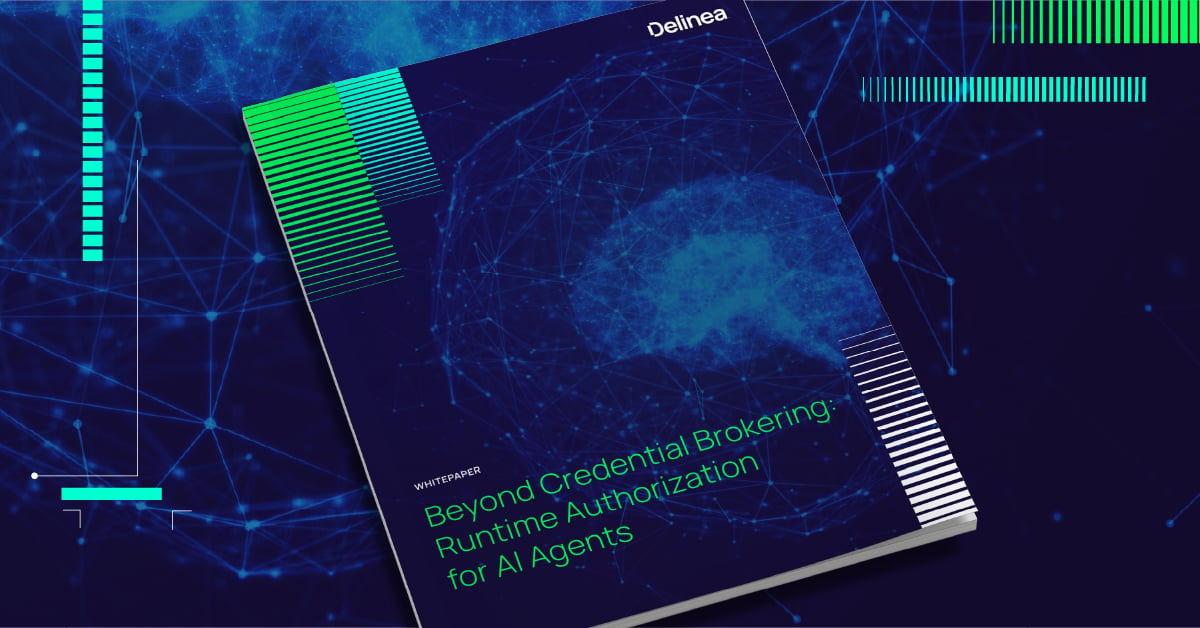
-
Secure AI with Delinea
AI agent identity security with Delinea: govern every agent as the privileged identity it already is.
Learn more
-
What Is Agentic AI Security?
What is agentic AI security? The plain-language introduction, from definitions to where the risk concentrates.
Learn more